Nothing to Feel Thankful For

Donna Nichols • November 21, 2022
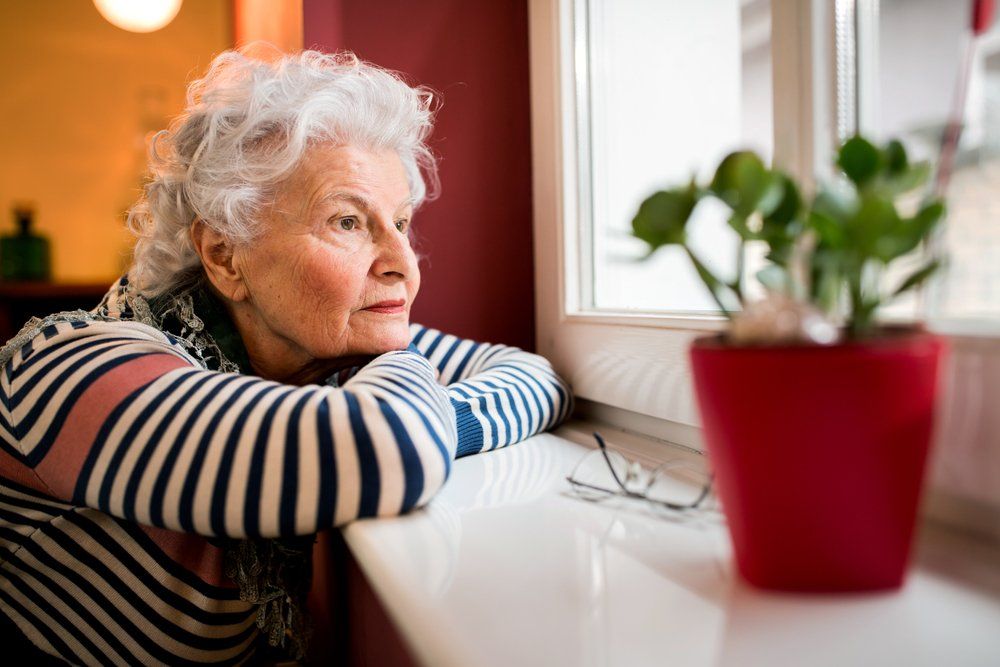
An elderly woman is leaning on a window sill looking out the window.

So, it’s Thanksgiving and you don’t feel very thankful, what’s wrong with you? Could be nothing; did you suffer a loss of some kind? Was there a traumatic event, such as a hurricane? Did you lose your job or have some bad health news? Any one of these things can make you feel less than thankful and like not celebrating the holiday. But you have family coming over and need to get over these feelings. How do I overcome feeling sadness, loneliness, or depression?


First, you should consult a doctor, your condition may be related to PTSD and there are medications and treatments for PTSD. Accept that these are your feelings and you just can’t help it. Hopefully these feelings will be gone by Christmas, if not, remember the steps you take to get through Thanksgiving and apply them to the Christmas and New Year holidays as well.


→       Don’t fake it. Do not “pretend” to be happy, this will only make you feel worse. Go into the day with your feelings the way they are and try the best you can to deal with them.


→       Try to avoid all confrontational situations. Whether it’s proving you are right about something or a relative who just gets under your skin, think about how you will handle the situation ahead of time.


→       Should you find yourself alone on Thanksgiving, make a plan about how you will spend the day ahead of time. Research what places will be open and maybe a little window shopping is just what the doctor ordered. If you prefer to be with others, ask a friend if you can join them, or maybe volunteer dishing out meals to others.


→       Treat yourself with compassion and understanding; everyone goes through rough patches at times and there is nothing wrong with you for feeling this way. Not feeling thankful on Thanksgiving does not make you a bad person, so accept your feelings for what they are this year and go easy on yourself.


→       End your long day with something to look forward to. You made it through a most difficult day and you should reward yourself. Cozy up with a good book and a cup of cocoa, take a long walk outside (weather permitting), go for a drive, or take a nice, warm bath. Whatever you choose to do, make sure it’s something rewarding.


We tend to think that we need to feel thankful and enjoy the holiday to have a wonderful day and if we don’t feel this way, we will have a terrible day. Most of us usually always have just an okay day with all kinds of ups and downs throughout the day. Don’t assume your day will be terrible because you aren’t thankful; find a way to realize it will be an okay day and get comfortable with that idea. There will be some pleasant moments and a few highlights no matter how you choose to spend your Thanksgiving.


We at Assisted Living Made Simple want to wish you all a happy and peaceful Thanksgiving holiday.



By Donna Nichols May 4, 2026
May is Melanoma and Skin Cancer Awareness Month, an important time to talk about protecting the skin we live in. Skin cancer is the most common cancer in the United States, and Florida’s year‑round sunshine makes awareness especially important for seniors. Many older adults grew up in a time before sunscreen was widely used, which means decades of sun exposure may increase risk today. Melanoma, the most serious form of skin cancer, can develop quickly — but when caught early, it is highly treatable. Other types of skin cancer, like basal cell and squamous cell carcinoma, are also common in seniors and often appear on areas that have seen the most sun over the years: the face, ears, neck, arms, and hands. What to look for: Early detection saves lives. Seniors should watch for: • New spots or moles • Changes in size, shape, or color • Spots that itch, bleed, or don’t heal • Anything that looks different from the rest Dermatologists often use the ABCDE rule to help identify concerning changes: Asymmetry, Border irregularity, Color variation, Diameter larger than a pencil eraser, and Evolving over time. Simple ways to protect your skin: • Wear a wide‑brimmed hat and lightweight long sleeves when outdoors • Use sunscreen with SPF 30 or higher and reapply regularly • Seek shade during peak sun hours (10 a.m. to 4 p.m.) • Avoid tanning beds • Schedule regular skin checks with a dermatologist, especially if you’ve had sunburns in the past Skin cancer awareness isn’t about avoiding the outdoors — it’s about enjoying it safely. Sunshine can lift our spirits, support healthy sleep, and encourage movement, but it’s important to protect ourselves along the way. With a few mindful habits and regular check‑ins, seniors can stay active, confident, and sun‑smart all year long.
By Donna Nichols April 17, 2026
The body content of your post goes here. To edit this text, click on it and delete this default text and start typing your own or paste your own from a different source.
By Donna Nichols April 2, 2026
April in Florida means sunshine, flowers, and… pollen. Lots of pollen. For many seniors, allergy season can bring sneezing, itchy eyes, congestion, and fatigue — symptoms that can be frustrating but manageable with awareness and simple habits. Here’s what older adults and caregivers should keep in mind as allergy season peaks. 1. Allergies Can Change Ov er Time Even if someone never had allergies before, they can develop later in life. The immune system shifts with age, and new sensitivities can appear. If symptoms show up suddenly each spring, allergies may be the reason. 2. Pollen Counts Are Highest in the Morning For seniors who enjoy morning walks or porch time, this can be a surprise. On high‑pollen days, shifting outdoor time to later in the afternoon can make a big difference. 3. Staying Hydrated Helps Ease Symptoms Water thins mucus, supports the immune system, and helps the body flush irritants. Seniors often drink less than they realize, so gentle reminders — a water bottle nearby, herbal tea, flavored water — can help. 4. Keep the Indoors as Allergen‑Free as Possible A few simple habits go a long way: • Keep windows closed on high‑pollen days • Change air filters regularly • Remove shoes at the door • Shower or change clothes after being outside These small steps help reduce the amount of pollen that sneaks indoors. 5. Pay Attention to New or Worsening Symptoms If allergy symptoms feel different than usual, last longer than expected, or interfere with daily life, it’s a good time to check in with a healthcare provider. Sometimes what looks like allergies can be something else entirely. A Breath of Fresh (and Cleaner) Air Allergies may be part of spring, but they don’t have to steal the joy of the season. With a little awareness and a few simple habits, seniors can stay comfortable, active, and able to enjoy everything April has to offer.