
Caregiver Issues

Donna Nichols • April 4, 2024
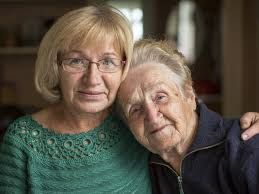
Two older women are posing for a picture together.

Do you care for an elder? Maybe it’s a family member like my situation. I’m caring for my 95-year-old mother who will be 96 in April. Do you ever find yourself losing it? I do. I find myself yelling at her, but then I wonder if I’m really yelling AT her or just yelling because she can’t hear well. Caregiving is HARD!!!!


If you find yourself losing it with your loved one, you’re not alone. I find myself losing it a lot more often than I used to. Here at Assisted Living Made Simple, we hold 4 Alzheimer’s/dementia caregiver support groups a month and while my mom doesn’t have Alzheimer’s, she does have bouts with dementia. I know the importance of taking time for yourself, but do I take time for myself? No, I don’t. I work 40 hours a week, go home, get her showered, dressed, fed, and sit with her until she’s ready to go to bed. In the morning, I get her out of bed, fed, dressed and ready for the day, then off to work and it starts all over again. On the weekends, she’s mine all day and night. It’s exhausting.


When my husband and I made the decision to move her in with us, everyone said they would be there to help us, but where are they now that we need them? I understand that we are all busy, but come on, we need a break! If you are a caregiver, you know what I mean. I have caregivers for my mother 3 – 4 hours a day, 5 days a week, so my husband has her the rest of the day. Luckily, she doesn’t require a lot of care, she’s still somewhat self-sufficient, but you must be there to make sure she doesn’t fall, and she can’t prepare her own meals or get her own drinks. She cannot shower by herself, and she needs standby assist while dressing; these two things she will only let me handle.


My only other option is having a caregiver come in on the weekend too, but that is pricey. And if I only want an hour or two it won’t work; most caregivers won’t come unless it’s 4 hours or more. I know I’m not alone out there; I know you are going through the same things I am. How are you coping with these issues? I’d really love to know; maybe your ideas can help me.


Do you have to separate holidays like I do? I have spent many holidays with just my mom and myself because my husband goes to his brothers with his children and our grandchildren, but that is too much for my mom, so it ends up just the two of us. This is so hard because you feel torn between the two. How do you cope with a situation like this? I try to put it out of my mind and think I will have other holidays with the grandkids, and they will be even more special.


This past Easter, my husband went to his brothers like usual, but my two nephews and their families came over and it was so nice; my mother was so happy to have her family there. We all ran around outside, while she sat there and watched us. She was so full of joy.


After they left, which wasn’t until around 7:00 p.m., I gave mom her shower and got her settled down. I went to take my shower and when I came out, she was in her chair fast asleep; she was exhausted. She got up in the morning and couldn’t stop talking about what a great Easter she had. It really is the little things that make a difference.


If you are dealing with some of the same issues I am, please give me a call and let’s chat. I’d really like to understand how you cope. Maybe we can help each other. 386-847-2322. 

By Donna Nichols May 4, 2026
May is Melanoma and Skin Cancer Awareness Month, an important time to talk about protecting the skin we live in. Skin cancer is the most common cancer in the United States, and Florida’s year‑round sunshine makes awareness especially important for seniors. Many older adults grew up in a time before sunscreen was widely used, which means decades of sun exposure may increase risk today. Melanoma, the most serious form of skin cancer, can develop quickly — but when caught early, it is highly treatable. Other types of skin cancer, like basal cell and squamous cell carcinoma, are also common in seniors and often appear on areas that have seen the most sun over the years: the face, ears, neck, arms, and hands. What to look for: Early detection saves lives. Seniors should watch for: • New spots or moles • Changes in size, shape, or color • Spots that itch, bleed, or don’t heal • Anything that looks different from the rest Dermatologists often use the ABCDE rule to help identify concerning changes: Asymmetry, Border irregularity, Color variation, Diameter larger than a pencil eraser, and Evolving over time. Simple ways to protect your skin: • Wear a wide‑brimmed hat and lightweight long sleeves when outdoors • Use sunscreen with SPF 30 or higher and reapply regularly • Seek shade during peak sun hours (10 a.m. to 4 p.m.) • Avoid tanning beds • Schedule regular skin checks with a dermatologist, especially if you’ve had sunburns in the past Skin cancer awareness isn’t about avoiding the outdoors — it’s about enjoying it safely. Sunshine can lift our spirits, support healthy sleep, and encourage movement, but it’s important to protect ourselves along the way. With a few mindful habits and regular check‑ins, seniors can stay active, confident, and sun‑smart all year long.
By Donna Nichols April 17, 2026
The body content of your post goes here. To edit this text, click on it and delete this default text and start typing your own or paste your own from a different source.
By Donna Nichols April 2, 2026
April in Florida means sunshine, flowers, and… pollen. Lots of pollen. For many seniors, allergy season can bring sneezing, itchy eyes, congestion, and fatigue — symptoms that can be frustrating but manageable with awareness and simple habits. Here’s what older adults and caregivers should keep in mind as allergy season peaks. 1. Allergies Can Change Ov er Time Even if someone never had allergies before, they can develop later in life. The immune system shifts with age, and new sensitivities can appear. If symptoms show up suddenly each spring, allergies may be the reason. 2. Pollen Counts Are Highest in the Morning For seniors who enjoy morning walks or porch time, this can be a surprise. On high‑pollen days, shifting outdoor time to later in the afternoon can make a big difference. 3. Staying Hydrated Helps Ease Symptoms Water thins mucus, supports the immune system, and helps the body flush irritants. Seniors often drink less than they realize, so gentle reminders — a water bottle nearby, herbal tea, flavored water — can help. 4. Keep the Indoors as Allergen‑Free as Possible A few simple habits go a long way: • Keep windows closed on high‑pollen days • Change air filters regularly • Remove shoes at the door • Shower or change clothes after being outside These small steps help reduce the amount of pollen that sneaks indoors. 5. Pay Attention to New or Worsening Symptoms If allergy symptoms feel different than usual, last longer than expected, or interfere with daily life, it’s a good time to check in with a healthcare provider. Sometimes what looks like allergies can be something else entirely. A Breath of Fresh (and Cleaner) Air Allergies may be part of spring, but they don’t have to steal the joy of the season. With a little awareness and a few simple habits, seniors can stay comfortable, active, and able to enjoy everything April has to offer.