
When you or a loved one needs an assisted living community, do you know how to find the correct community? 95% of people don’t, they know what they want, but they don’t know exactly what they need. When you search on your own, you look at the aesthetics of the community, you don’t look at the “inside” of that community as well.
What you see when searching for an assisted living community is what’s on the outside, the big apartments, the nice garden area, the pretty dining room, the beautiful chandeliers, the large, heated swimming pool. What you don’t look for is what kind of care they offer. How long has the nursing staff been there? Do they even have nursing staff? Will I be able to live there forever as I decline? How long has the executive director been there?
There are so many factors to take into consideration when searching for an assisted living community and you cannot think of everything. That’s why you need a senior advisor. A senior advisor helps seniors find a place that best suits their needs and wants. This is a very time-consuming process if you don’t know the communities, that’s why it’s best to work with a specialist. Best of all, senior advisors work for FREE!
So, what does a senior advisor do?
Senior advisors specialize in finding seniors the right place to live where they can age in place. At Assisted Living Made Simple we like to call it the perfect forever home. Senior advisors know the area, the different licenses the communities have and the inside scoop about each place and what it’s really like to live there.
An advisor should take the following factors into consideration for each situation:
1. What is the person’s monthly budget? You don’t want them to be over-extended on their monthly payments.
2. What are their payment options? Is it all private pay, do they have long-term care insurance, are they able to receive VA Aid and Attendance?
3. What are their care needs? Do they only need medication management? If so, the price won’t be as much as if they need medication management, dressing and bathing assistance, feeding assistance, etc.
4. Is the location close to family and friends? You want to make sure they are near friends and family to ensure they are visited regularly. If they have visitors regularly, they don’t feel so alone, and it helps them adapt easier.
5. What is your loved one(s) personality? Do they like to socialize? Would they prefer a larger community with more people? Or would they prefer a smaller community with less people? This is another important factor to consider. We don’t want them living somewhere with a lot of other people where they will feel intimidated or out of place. We want them to be comfortable.
6. What kind of lifestyle did they have and what kind do they want to have now? Were they active before leaving their home and would they like to continue to be and are they able to continue to be active? Do they prefer to do things on their own, like reading, puzzles, and watching TV? Are these the things they want to continue to do while at their new home?
Once you, your loved one(s) and your advisor take all the above into consideration, your advisor will set up tours of some communities they believe will be the perfect fit for your elder. They will take you on the tours and help you narrow the options down to the top choice. Once you have made your decision, your advisor will set up your move in with the community. He/she will give you information on movers and anything else you may need. Your advisor will be by your side through the entire journey.
You do NOT pay a senior advisor out of your pocket. An advisor receives a commission from the community your loved one moves into. Should an advisor ask you for a fee, walk away and look for another advisor!! Also, do NOT sign an exclusivity form with an advisor. An advisor does not have exclusive rights to YOU!
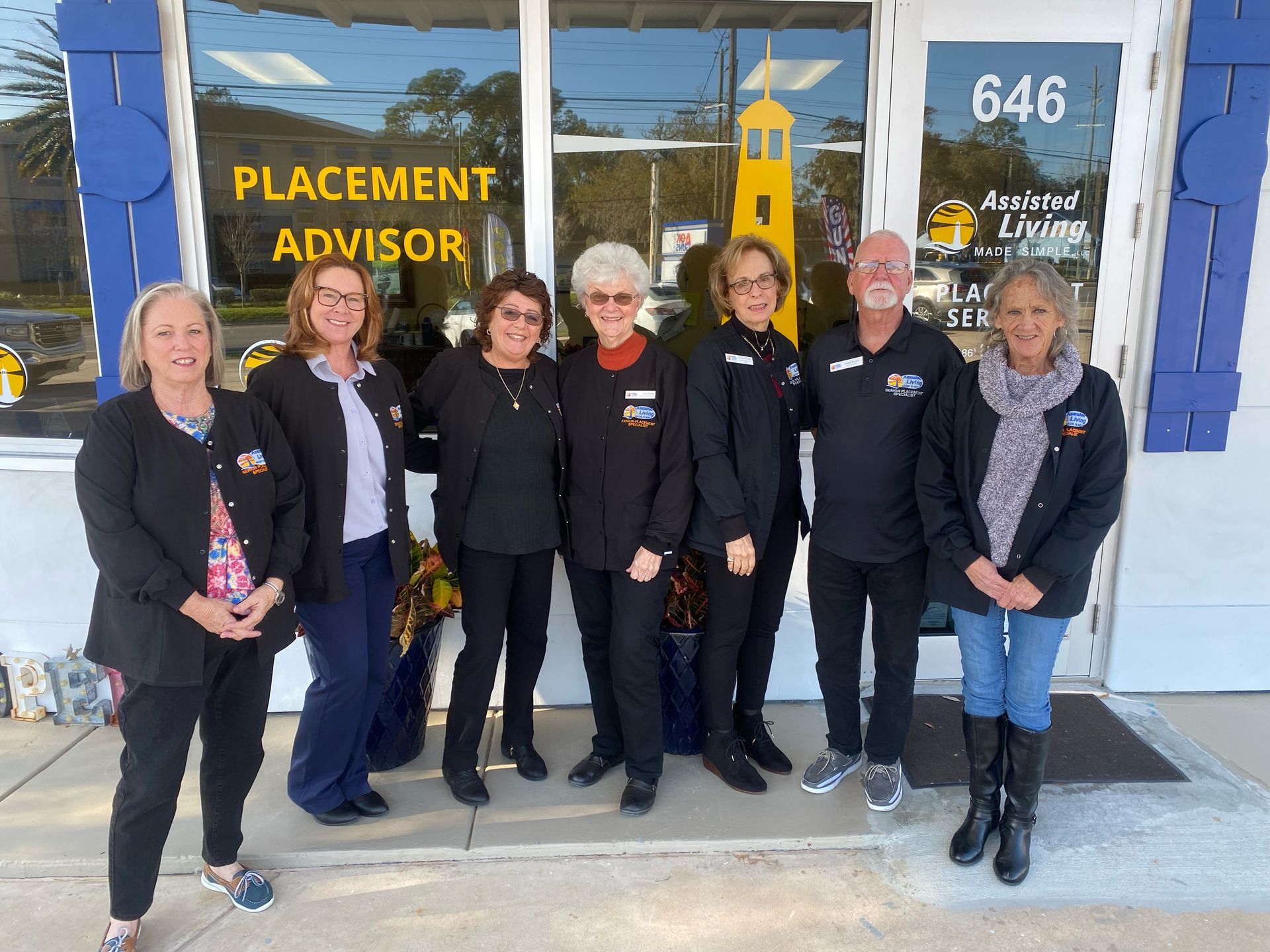
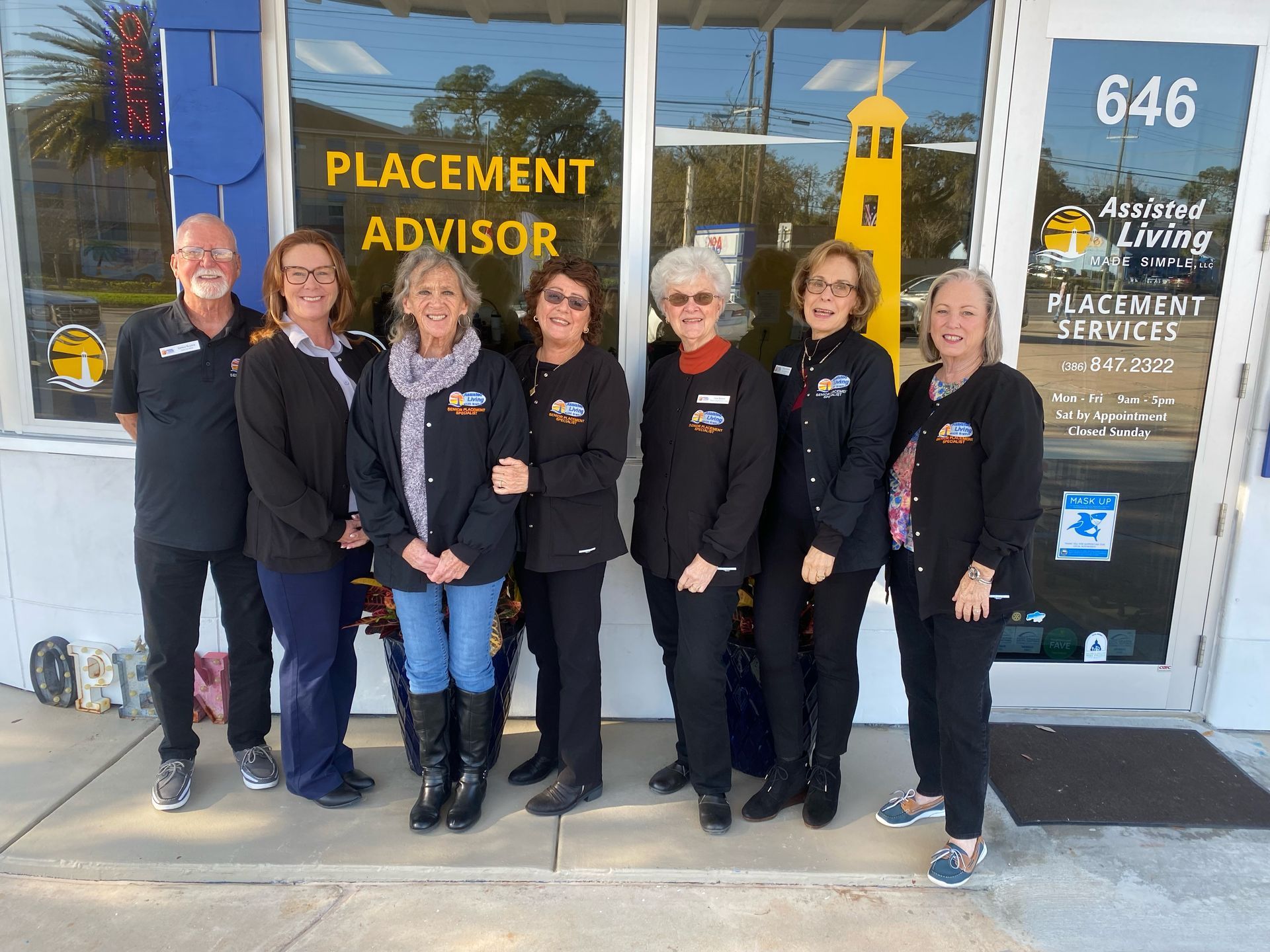
As you can see, there are many factors to take into consideration when looking for a senior living community. Please do NOT go this route alone. Assisted Living Made Simple is YOUR senior advisor team! We are here for you, and we will do our due diligence to find you the perfect forever home for you or your loved one(s). Call today for your FREE consultation, 386-847-2322.